
The Role of Supplements in Modern Athletics
For centuries, athletes have sought ways to optimize their physical capabilities. Modern science has significantly advanced our understanding of sports nutrition, leading to the development of supplements that can genuinely aid in performance enhancement and recovery. While the market is saturated with various products, only a select few are supported by rigorous scientific research.
Scientifically-Backed Supplements for Athletes
Athletes looking to gain a competitive edge or improve recovery often consider supplements. However, it’s crucial to distinguish between products with strong scientific evidence and those that lack it. Here’s a look at some of the most effective supplements for athletes, based on extensive research:
Creatine: Fueling High-Intensity Performance
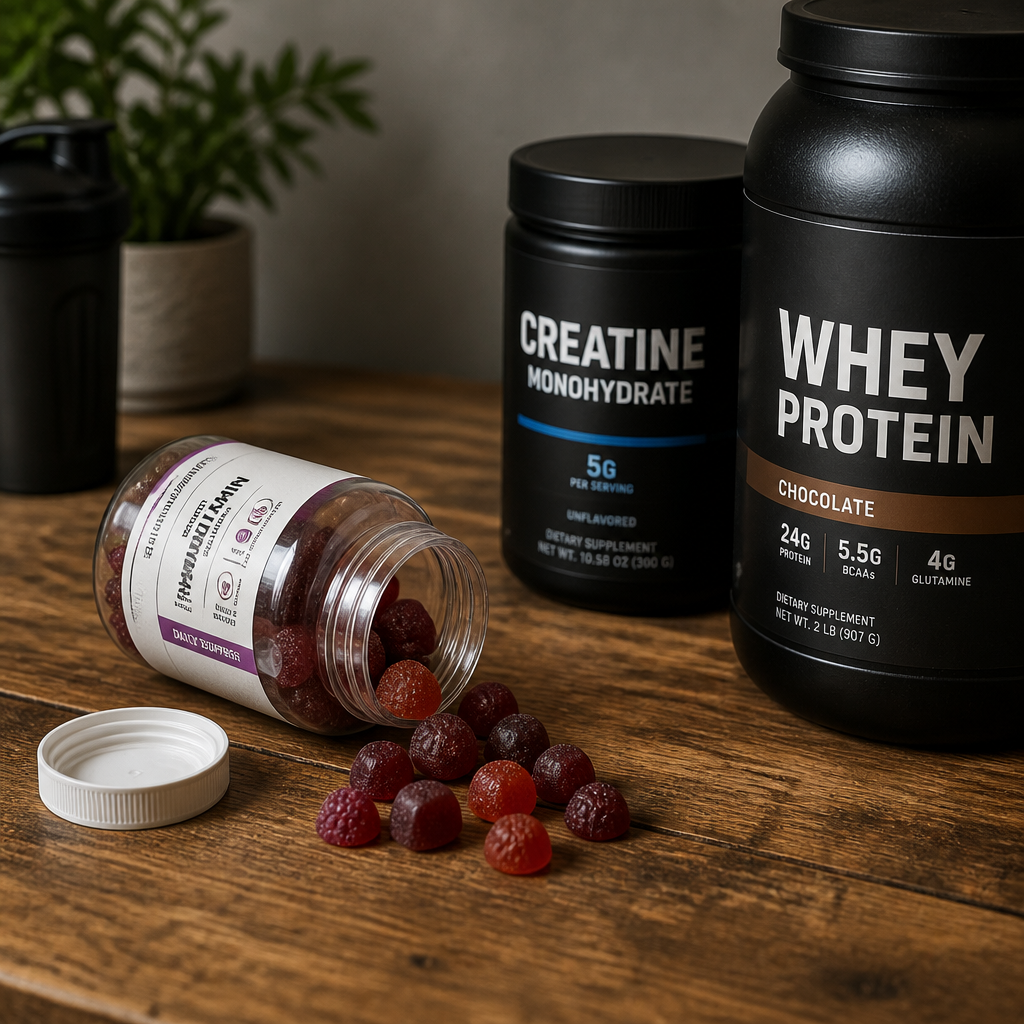
Creatine is among the most extensively studied molecules in sports science, with tens of thousands of peer-reviewed articles documenting its effects. It plays a vital role in the body's energy production, specifically within the phosphocreatine pathway, which is critical for rapidly generating adenosine triphosphate (ATP) – the primary energy currency of cells.
Supplementing with creatine can increase the body's creatine stores by approximately 30%, thereby enhancing the capacity of the phosphocreatine pathway. This can lead to several benefits for athletes, including:
- Improved body composition, particularly for those engaged in resistance training.
- Enhanced performance during high-intensity, repeated bouts of exercise.
- Increased strength in short-duration activities.
Typical recommendations for athletes range from 3 to 7 grams per day, with 5 grams daily often cited as an appropriate average dose. Individual needs may vary based on body size.
Beta-Alanine: Buffering Muscle Fatigue
While creatine supports the phosphocreatine system, beta-alanine contributes to the glycolytic energy system. It works by providing a key amino acid for the production of carnosine. Carnosine helps to neutralize hydrogen ions that accumulate during glycolysis, which is the process of breaking down glucose for energy. By buffering these ions, carnosine allows muscle cells to sustain high-intensity activity for longer periods before fatigue sets in.
Research indicates that beta-alanine supplementation can improve exercise performance in activities lasting approximately 60 to 240 seconds, a duration where glycolysis is a primary energy source. There is less evidence of benefit for exercises primarily relying on the phosphocreatine pathway (under 60 seconds). Some evidence also suggests beta-alanine may contribute to lean body mass, potentially due to increased intracellular water and enhanced work capacity.
Similar to creatine, beta-alanine operates through bioaccumulation, meaning consistent daily intake is important. A common dosage is around 5 grams per day, often split into two 2.5-gram servings to mitigate a tingling sensation known as paresthesia that can occur with higher single doses.
Caffeine: Enhancing Endurance and Alertness
Caffeine is arguably the most widely consumed supplement globally. Its efficacy for athletes, particularly endurance athletes, is well-documented. Caffeine is known to reduce perceived fatigue and extend time to exhaustion during prolonged exercise.
The mechanisms behind caffeine's performance-enhancing effects are thought to include:
- Blocking adenosine, a neurotransmitter that promotes relaxation and drowsiness, thus increasing alertness.
- Potentially increasing the availability of free fatty acids for metabolism during exercise, and enhancing fat oxidation, which could spare glycogen stores.
While its benefits are clearer for endurance, some research suggests caffeine may also offer advantages for strength and power athletes, though findings in this area are less consistent. General dosing guidelines for athletes often range from 3 to 9 mg per kilogram of body weight, with about 300 mg being a common dose for many adults. Higher doses should be approached cautiously.
Protein Powder: Essential for Muscle Growth and Recovery
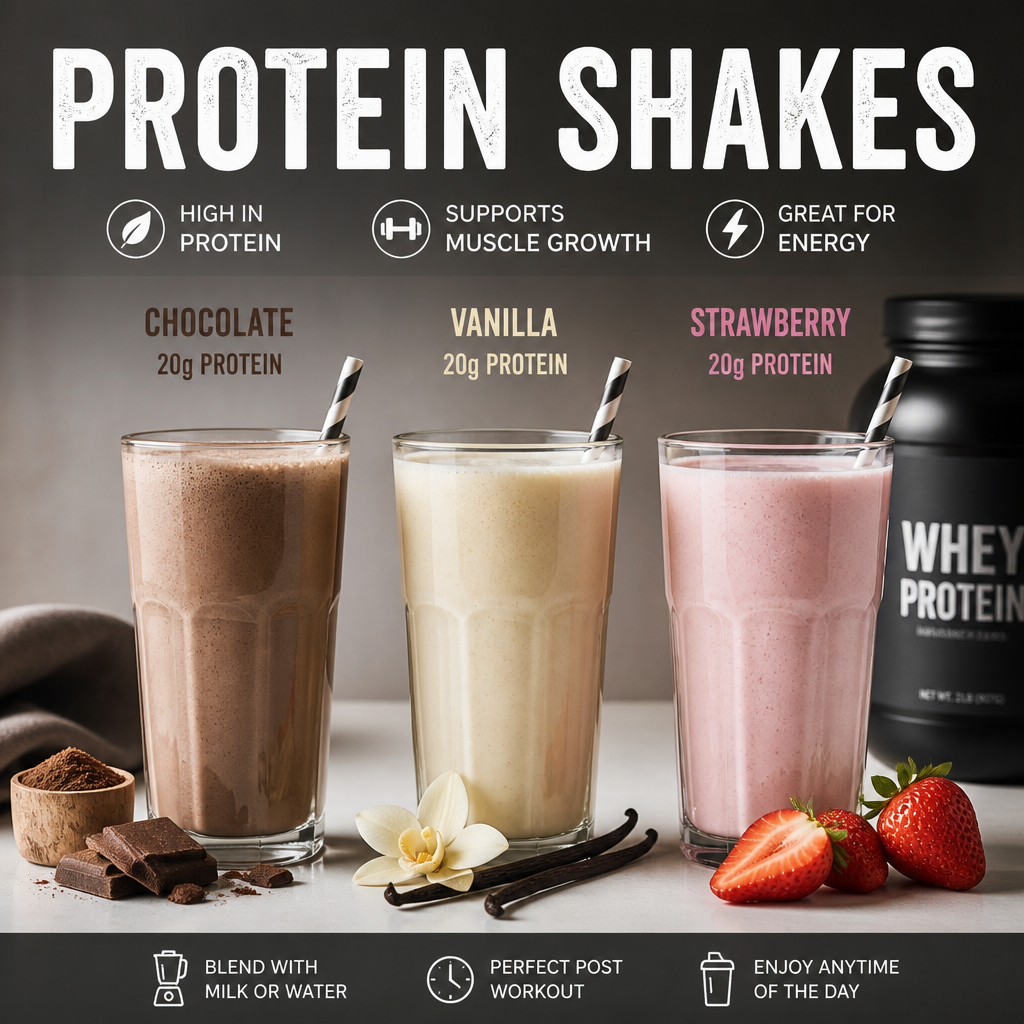
Protein powders serve as a practical tool for athletes to meet their elevated daily protein requirements, which typically fall between 1.4 and 2.2 grams per kilogram of body weight. Adequate protein intake is critical for numerous physiological functions in athletes, including:
- Muscle growth and repair.
- Post-exercise recovery.
- Bone health.
- Maintaining immune function.
While it is possible to obtain sufficient protein through whole foods, protein supplements, such as powders, offer a convenient and efficient way to reach these targets. Various types of protein powders exist, including whey, casein, and plant-based options, all of which are effective forms of protein supplementation for supporting athletic goals.
Vitamin D: A Foundation for Optimal Performance
While not a direct performance enhancer in the same way as creatine or caffeine, Vitamin D is crucial for overall athletic performance and health. Preventing Vitamin D deficiencies has been shown to improve athletic outcomes. Studies have linked lower Vitamin D levels to reduced VO2 max, a key indicator of aerobic fitness. Furthermore, athletes with deficiencies have experienced improvements in their VO2 max after supplementing with Vitamin D.
Vitamin D deficiency is surprisingly common among athletes, with some analyses indicating that over 50% of athletes may have inadequate levels. A starting point for supplementation often falls between 1000-2000 International Units (IU) per day, though individual dosage strategies should be tailored.
Strategic Supplementation: Beyond the Basics
Not every athlete requires supplements, and their necessity depends on individual circumstances such as the demands of their sport, level of competition, dietary quality, and nutrient deficiencies identified through blood work.
For most athletes, optimizing performance begins with fundamental principles:
- Total Energy Consumption: Ensuring an adequate caloric intake to match expenditure is paramount.
- Macronutrient Requirements: Tailoring carbohydrate, protein, and fat intake to the specific metabolic demands of their sport.
- Adequate Micronutrients: Preventing deficiencies in essential vitamins and minerals through a balanced diet.
- Hydration: Maintaining optimal fluid balance.
Only after these foundational elements are addressed should performance-enhancing supplements like creatine, caffeine, and beta-alanine be considered.
Key Micronutrients for Athletes
While a well-rounded diet typically covers most micronutrient needs, some are frequently deficient in athletic populations. Athletes, particularly endurance athletes, should pay attention to:
- Vitamin D
- Folate (especially among younger athletes)
- Iron
- Magnesium
Other micronutrients like Vitamin B12 (with female athletes at higher risk) may also warrant attention, though deficiencies are generally less prevalent. Multivitamins are generally not necessary unless a specific deficiency is identified, as consuming vitamins and minerals above the recommended daily allowance does not typically enhance performance."