
If it's gray market, the powder is Chinese
Let's not dance around it. If you bought a peptide from a research-chemical site, a gray-market seller, a med spa, or anyone who isn't a pharmacy handing you a manufacturer-sealed box — the raw powder was almost certainly synthesized in China. India makes some too. This isn't a smear. It's the supply chain. China built the world's deepest bench of peptide synthesis capacity, and the entire research-chemical trade runs on it.
I have no problem with that fact.
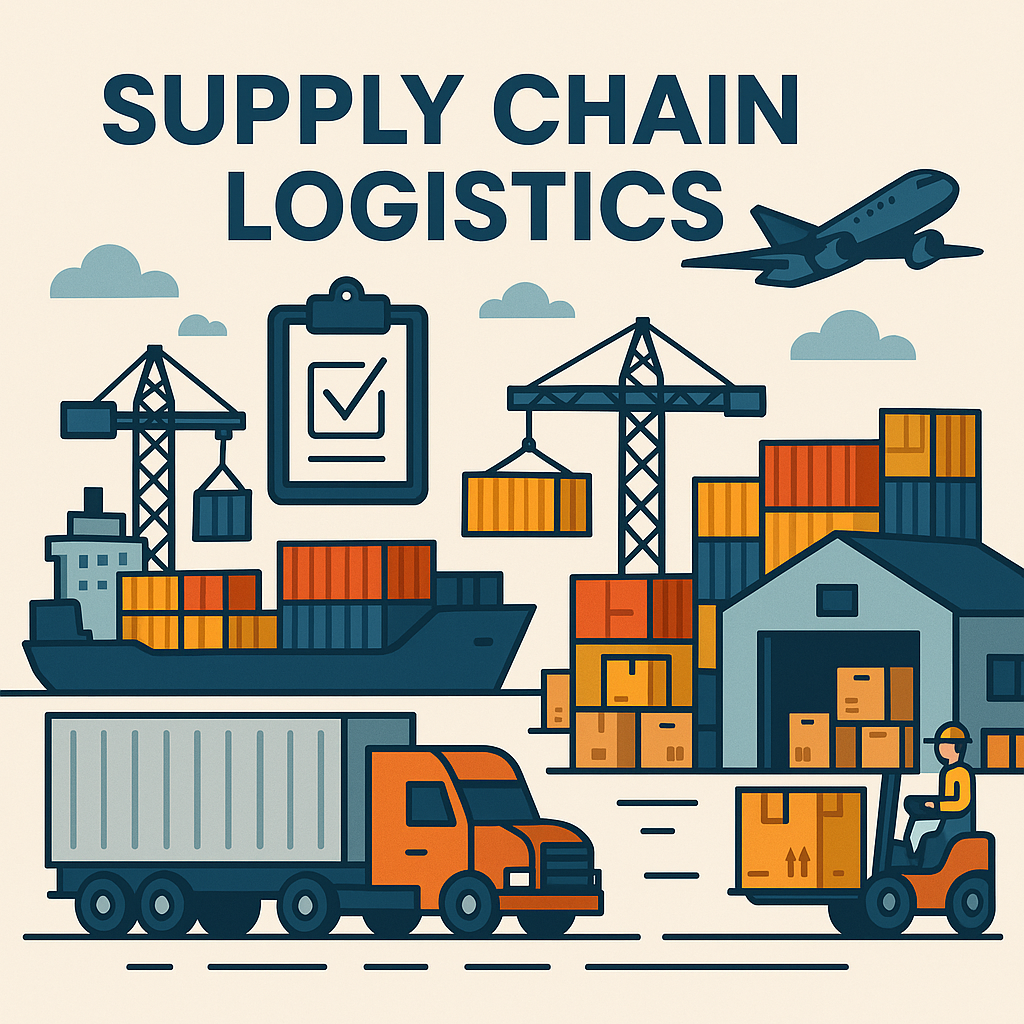
"Ships from a US warehouse" is a logistics claim Here's the game that actually matters. Powder gets synthesized in China. It ships in bulk to the United States. It gets put into vials here — that's called fill-finish — and then it's sold as an American product. "Ships from a US warehouse" tells you where the box left from. It tells you nothing about where the molecule was made. A QR code linking to a certificate of analysis proves the seller can generate a QR code.
In the Paradigm Peptides criminal case, a company did $5 million in sales to 54,000 customers across all 50 states, advertising "American-made, 99% pure, third-party tested." Prosecutors showed the products were illegally imported from China and India and never tested at all. Every word of the marketing was a lie.
So when someone tells you their peptides "aren't from China" because they ship from Florida — they're confused, or they're lying. The powder is Chinese. The honest question was never about the country. It's whether anyone verified what's in the vial.
Where the "it's all China" crowd goes wrong
Two corrections, because precision matters.
1. Pharma isn't "not Chinese" either — Eli Lilly has committed an additional $3 billion over the next 10 years to expand its manufacturing and supply chain operations in China, bringing its total cumulative investment in the country to nearly $6 billion. Eli Lilly's Suzhou plant makes tirzepatide products for the Chinese and European markets, and the company just committed $3 billion more to Chinese manufacturing. Novo keeps its semaglutide API in Denmark, but Lilly's footprint is genuinely global. So the commenters saying "even the big pharma stuff is Chinese" aren't entirely wrong about geography.
They're wrong about what geography means. That's Lilly's own inspected facility, making Lilly's own drug, under Lilly's quality system. A Mounjaro pen finished in Suzhou and a gray-market vial from an unregulated lab are both "from China" the way a hospital and a back alley are both "indoors." The country was never the right question. The manufacturer is.
"But don't they buy raw materials from China anyway?"
Partly, yes — commodity starting materials in virtually every pharma supply chain come from China or India. True for aspirin, not just peptides. But there's a canyon between "some upstream reagents came from China" and "the drug was synthesized in an unregulated lab." The final API synthesis — the complex, regulated, inspected step — happens in the originator's own facilities under FDA and EMA oversight. That's what counts.
2. Chinese doesn't mean dirty. The FDA maintains a Green List of foreign API manufacturers — including Chinese ones — that it has inspected and evaluated as compliant. Quality is manufacturer-specific, not country-specific. Some of the best peptide synthesis capacity on earth is in China; some of the worst is too. The country tells you nothing. The manufacturer tells you everything.
I'm pro gray market from a good source. The medical system is slow, expensive, and gatekeeps compounds people want — I understand exactly why millions of people route around it. But taking your health into your own hands means knowing what you're holding. "American-made" on a gray-market vial usually means the powder took a boat ride and got a new label. That doesn't make it bad. It makes it unverified. A listing is not a lab. Verify, don't trust.
Sources: FDA Import Alert 66-80 (Sept 2025) · Health.com reporting on the Paradigm Peptides case · Mendias & Awan 2026 preprint (6,441-sample gray-market quality analysis) · FDA Green List program documentation Educational purposes only — not medical advice.