
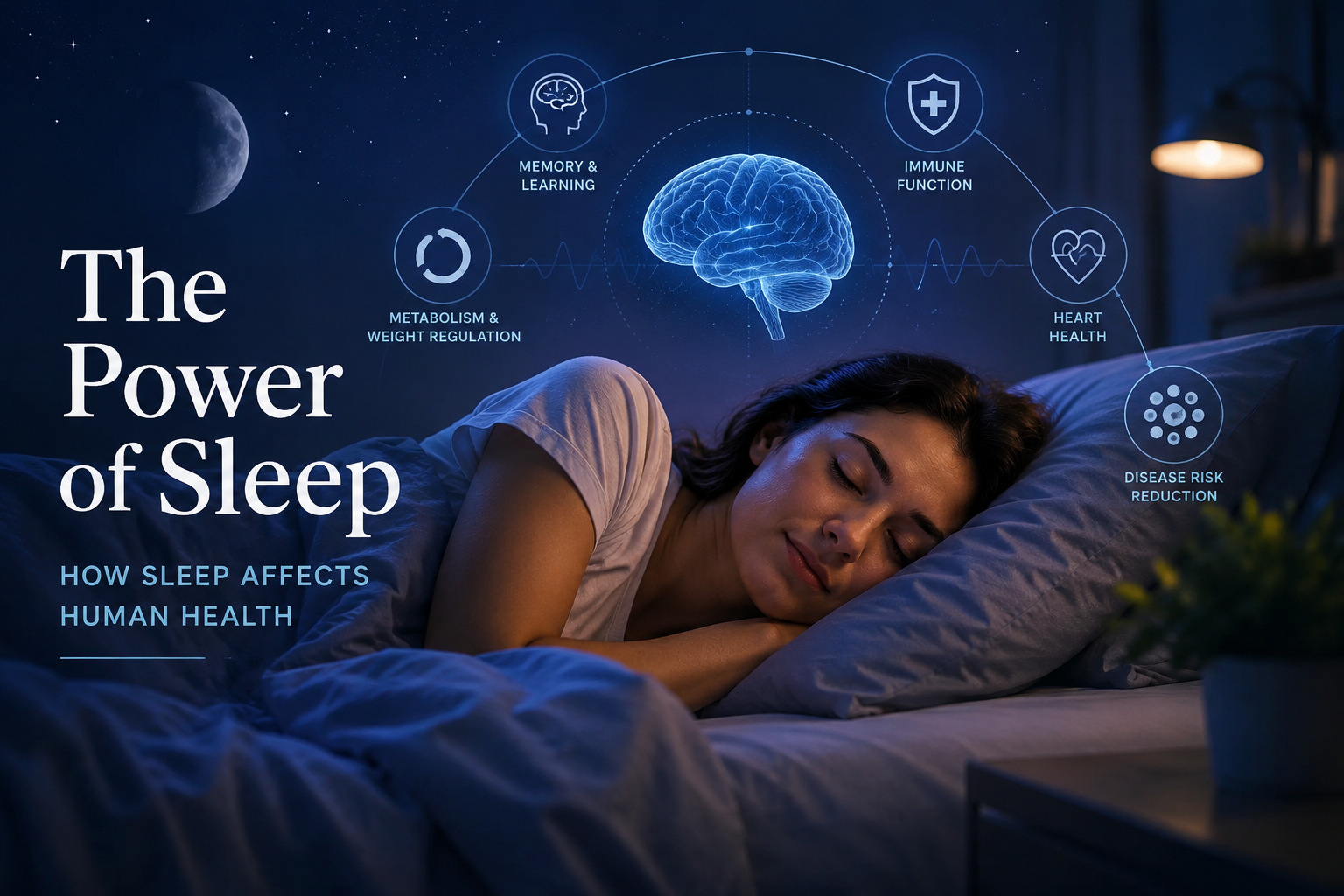
Human beings, like nearly all living creatures, require sleep to survive. In fact, we spend about a third of our lives asleep, elevating its status to one of our basic biological needs alongside food, water, and air. However, the specific reasons why sleep is crucial for our well-being have puzzled scientists for decades. Research highlights that adequate sleep is vital for both physical and mental health, impacting everything from memory consolidation to our immune function.
How Sleep Affects Overall Health
Sleep is defined as a state of altered consciousness where the body and mind relax, and the nervous system becomes less active. While much of its significance is known, various aspects remain scientifically elusive. Notably, researchers in fields ranging from neuroscience to nutrition are unearthing critical connections between sleep quality and a range of health outcomes, including:
- Memory consolidation: Sleep is essential for the processing and retention of new information.
- Immune function: Proper sleep supports the body's ability to heal and fight off illnesses.
- Heart health: Research links adequate sleep to lower risks of cardiovascular diseases.
- Metabolic health: Sleep impacts weight regulation, insulin sensitivity, and can influence conditions like diabetes.
Why Do We Sleep?
Understanding why we need sleep has been a topic of exploration for scientists, especially given the apparent risks of being unconscious for many hours each day. Groundbreaking studies, particularly those conducted by researchers at the University of Chicago, have shown that sleep is not only beneficial but necessary for survival. For example, severe sleep deprivation in animals leads to dire health outcomes, underscoring the critical nature of this need.
What Happens in the Brain During Sleep?
When we sleep, our brains undergo various changes in activity. Research by early pioneers in sleep science established the foundational understanding of sleep patterns, primarily through electroencephalogram (EEG) studies. Sleep occurs in cycles comprising different stages, with each playing a role in our health.
- Non-rapid eye movement (NREM) sleep includes lighter stages of sleep transitioning into slow-wave sleep, essential for restorative processes.
- Rapid eye movement (REM) sleep occurs several times a night and is where dreaming takes place, with brain activity resembling that of wakefulness.
The Impact of Poor Sleep on Health
A growing body of scientific evidence connects inadequate sleep to various health issues, including:
- Cognitive decline: Lack of sleep is associated with poor cognitive performance and increasing risks of dementia.
- Diabetes: Studies indicate that poor sleep quality leads to hormonal imbalances affecting appetite and insulin sensitivity, potentially triggering type 2 diabetes.
- Cardiovascular risks: Sleep deprivation correlates with higher resting heart rates and increased blood pressure, factors linked to heart disease.
- Immune deficiencies: Insufficient sleep can lead to a weakened immune response, heightening susceptibility to infections and reducing the body’s ability to combat illnesses.
Improving Sleep for Better Health
Research consistently shows that improving sleep quality can lead to enhanced overall health. Identifying and addressing the causes of poor sleep is essential for benefiting from its protective and restorative properties. Here are some recommendations for optimizing sleep hygiene:
- Maintain a consistent sleep schedule: Going to bed and waking up at the same times each day can help regulate your body’s clock.
- Create a restful environment: A dark, quiet, and comfortable sleeping space encourages better sleep quality.
- Limit exposure to screens: Reducing screen time before bed helps diminish the blue light that can disrupt circadian rhythms.
- Manage stress and anxiety: Addressing mental health through mindfulness or relaxation techniques can improve both sleep duration and quality.
Conclusion
The interplay between sleep and health is a critical area of ongoing research. Understanding its vital role in various bodily functions—ranging from cognitive processing to immune support—reminds us of the importance of prioritizing our sleep. By adopting better sleep practices, we can enhance our long-term health, potentially mitigating risks associated with numerous diseases. Further studies continue to unfold the effects of sleep, offering insights that could lead to better health outcomes for individuals who prioritize this fundamental need.