
The Life-Altering Accident
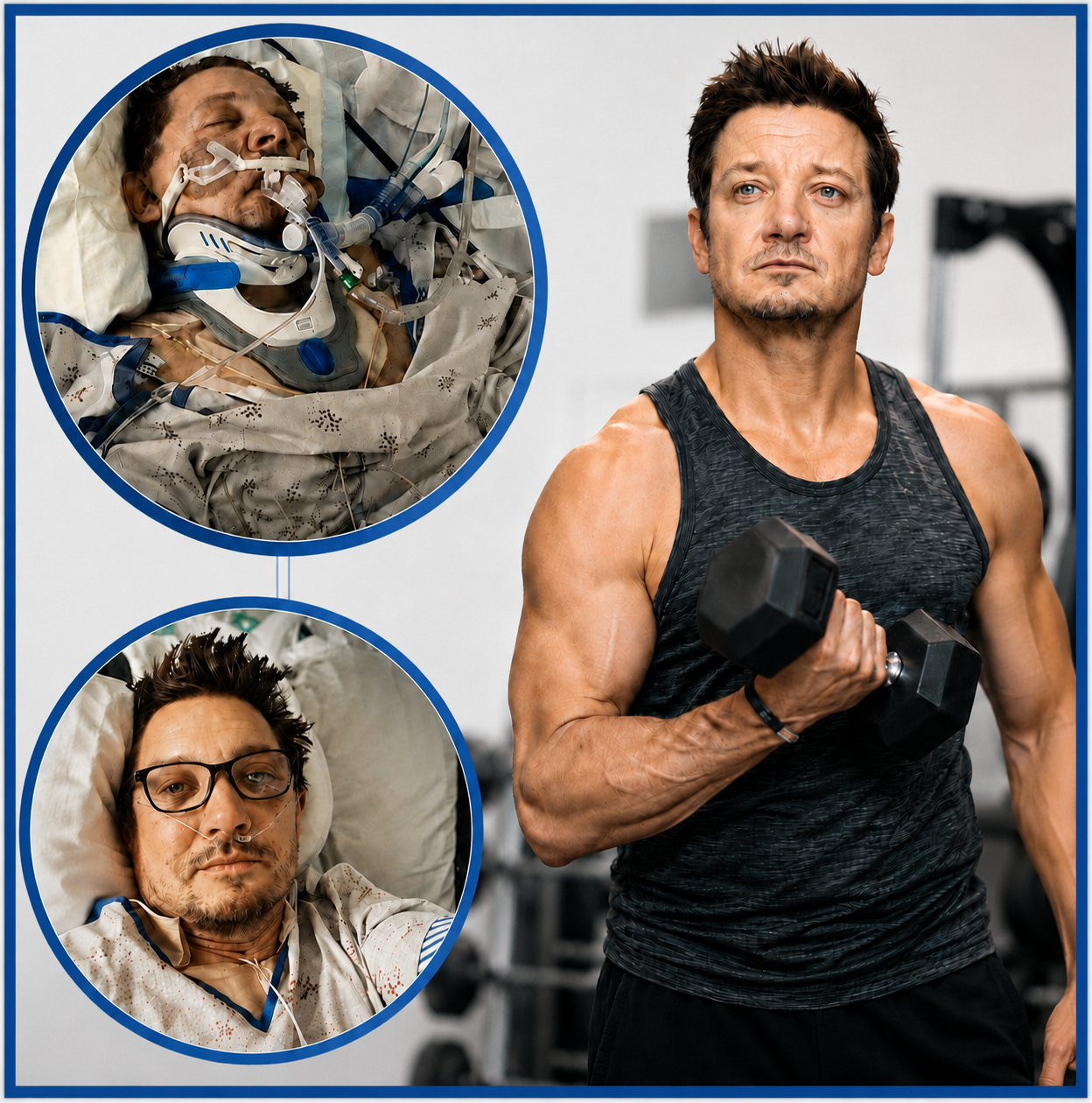
On January 1, 2023, actor Jeremy Renner was involved in a devastating snowcat accident that left him with 38 broken bones, significant internal injuries, and left even his doctors worried about his survival. Remarkably, Renner's journey back to health was not just about traditional medical care; it was greatly enhanced by a combination of peptide therapy, hormone optimization, and functional medicine. This article provides an in-depth look at how these methods shaped his recovery and what lessons we can learn from his experience.
Severity of the Injuries
Renner faced numerous life-threatening injuries following his snowcat accident in Lake Tahoe—his body was crushed under a 16,000-pound vehicle, resulting in:
- 38 broken bones
- Fractured skull
- Orbital bone damage affecting vision
- Punctured lung with chest drainage necessity
- Liver laceration
The prognosis was bleak, with doctors uncertain if he would regain full mobility or functionality.
Initial Medical Intervention
Emergency crews performed critical surgeries, including addressing his internal damage and stabilizing his condition. His recovery required a multifaceted approach, emphasizing both physical healing and psychological resilience. Renner, who had been an action star, faced new challenges as he coped with the aftermath of such severe trauma.
The Recovery Process
The Role of Mental Resilience
From the beginning, Renner's mindset was crucial to his recovery. Each small victory in therapy served as a mental milestone, fueling his determination to get back on his feet. This focus on mental resilience complemented a scientifically backed recovery plan.
Use the code WELCOME26 for 20% OFF your first order
Peptide Therapy: Modern Recovery Techniques
Peptide therapy was one component of Renner’s broader rehabilitation following his accident. In appearances on The Joe Rogan Experience and Modern Wisdom, Renner said he received peptide injections as part of an extensive recovery program. The peptides he specifically named included BPC-157, TB-500, MOTS-c and “AOD,” likely referring to AOD-9604, although he did not provide the complete name. He also mentioned thymosin-alpha and thymosin-beta products without identifying the exact formulations.
During The Joe Rogan Experience, Renner recalled taking BPC-157, TB-500, AOD and “MOTC,” apparently referring to MOTS-c. In his separate Modern Wisdom interview, he again named BPC-157, MOTS-c and TB-500 while also referring to thymosin-alpha and thymosin-beta. He emphasized that the full list was considerably longer and said he rotated different peptides rather than using all of them continuously.
These compounds are commonly discussed for potential roles in tissue repair, joint and muscle recovery, metabolic support and restoration of physical function. Renner has not publicly disclosed a complete protocol, dosages, treatment dates or the exact contents of every injection.
Hormone Optimization: Key to Effective Healing
Importance of Hormonal Balance
Following a traumatic injury, maintaining balanced hormone levels is vital for effective recovery. Hormones like testosterone, growth hormone, and cortisol are critical in managing inflammation, muscle regeneration, and overall recovery speed.
Hormones to Focus On:
- Testosterone: Plays a crucial role in building muscle mass and reduces inflammation.
- Growth Hormone: Essential for tissue regeneration and speeding up repair processes.
- Cortisol: Aids in inflammation management, ensuring the body's immune response remains balanced.
Renner’s doctors worked to optimize these hormones, allowing his body to heal more rapidly compared to someone without such interventions. The benefits of hormonal therapy in his case included:
- Restored muscle mass and strength
- Reduced inflammation post-injury
- Increased energy and mental clarity
Functional Medicine: Personalizing Recovery
Targeting Individual Needs
Functional medicine plays a unique role in recovery by focusing on personalized treatment plans based on advanced testing. This included assessments for hormonal imbalances, nutrient deficiencies, and inflammation markers that could delay recovery.
**Key Tools in Functional Medicine: **
- GI-MAP Testing: Assesses gut health and its impact on recovery.
- Dutch Testing: Offers insights into hormone levels and fluctuations.
- Comprehensive Blood Panels: Identify deficiencies and irregularities that could affect healing.
Renner utilized these tools to tailor his recovery strategies to address specific needs and accelerate the healing process.
Lessons Learned from Jeremy Renner’s Journey
A Multifaceted Approach to Recovery
Jeremy Renner's remarkable recovery illustrates the power of combining modern medicine with innovative treatments. Here are some crucial takeaways:
- Combine Traditional and Modern Approaches: Integrating peptide therapy and hormone optimization with conventional medical treatment can enhance recovery significantly.
- Mental Resilience Matters: A strong mental focus and a positive mindset contribute greatly to the healing process.
- Personalized Medicine is Key: Functional medicine provides a tailored approach, addressing individual needs for faster recovery.
Recommended Research Peptide Vendor
Conclusion
Jeremy Renner’s healing journey serves as an inspiration to many suffering from severe injuries. By embracing a progressive mindset and leveraging advanced recovery strategies, he has shown that resilience and innovation in medicine can work hand-in-hand. This comprehensive perspective could guide others on their paths to recovery, highlighting the importance of an integrated approach to health and performance optimization.
Read our free full peptide guide here