
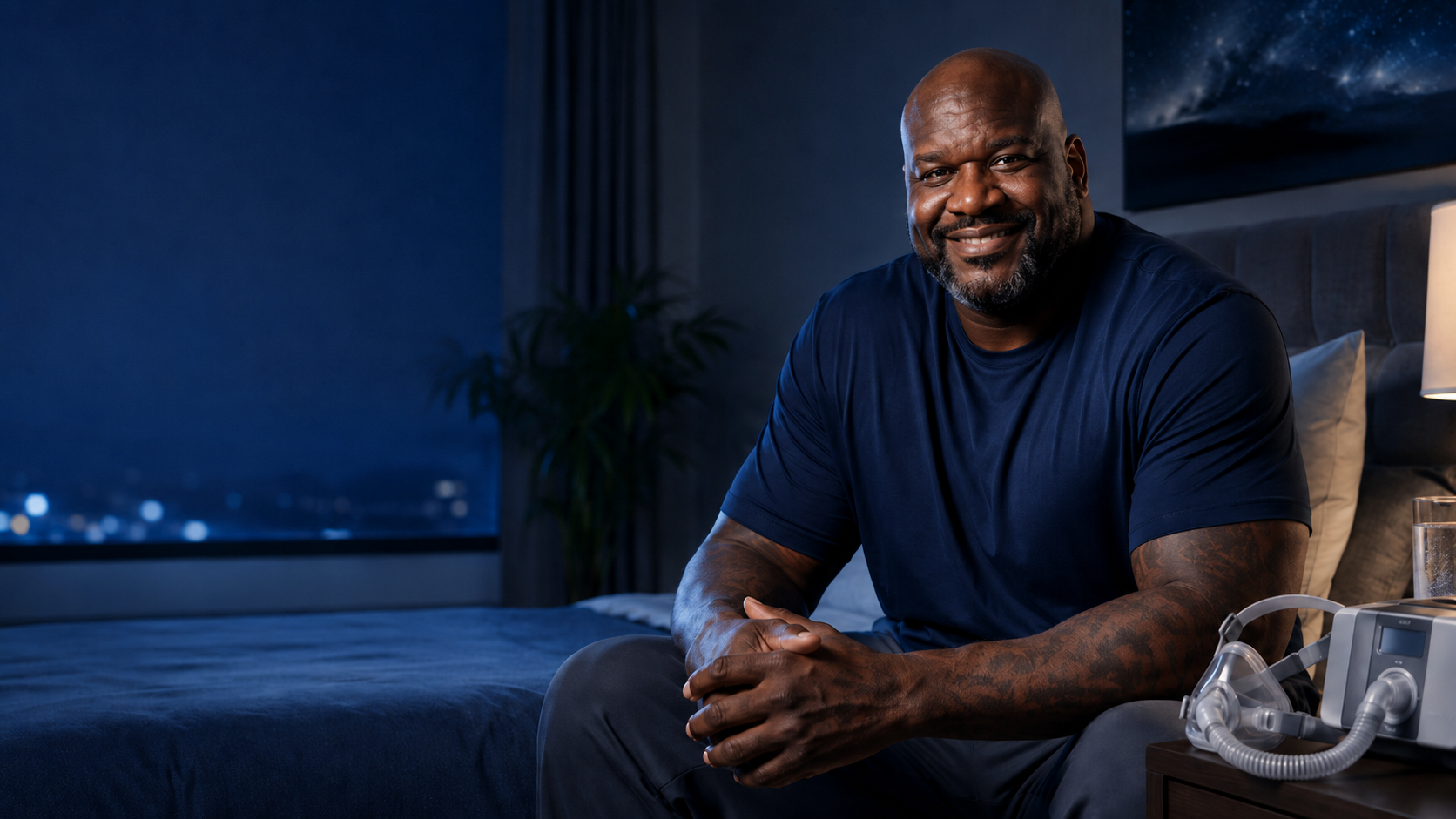
Shaquille O'Neal and His Sleep Apnea Treatment
Renowned basketball legend Shaquille O'Neal recently opened up about his ongoing battle with obstructive sleep apnea (OSA) and how he's addressing it with a particular medication known as Zepbound, or tirzepatide. This revelation is noteworthy not only because of O'Neal's celebrity status but also due to the significant public misconception surrounding the use of GLP-1 medications primarily known for weight loss.
Understanding Obstructive Sleep Apnea (OSA)
Obstructive sleep apnea is a prevalent yet often underdiagnosed condition characterized by repeated breathing interruptions during sleep. This disorder can lead to various health complications, including:
- Elevated cardiovascular risk
- Daytime fatigue
- Worsened outcomes in comorbid conditions
The correlation between OSA and obesity is well-documented. Research shows that weight loss can significantly alleviate the severity of sleep apnea due to the reduction of soft-tissue loads in the upper airway, leading to better airflow during sleep.
O'Neal's Journey with Zepbound
O'Neal disclosed his use of Zepbound in 2025, noting that his diagnosis came after a comprehensive sleep study conducted at a Harvard-affiliated facility following his retirement from the NBA in 2011.
While Zepbound has gained popularity for its FDA-approved use in managing type 2 diabetes and aiding weight loss, O'Neal's primary focus is on its role in treating OSA. This distinction is crucial; the media often frames GLP-1 medications, like Zepbound, in the context of weight management rather than their indications for specific health conditions such as sleep apnea.
FDA Approvals and Clinical Context
Tirzepatide has received FDA approval not only for diabetes management and obesity but also explicitly for the treatment of moderate-to-severe obstructive sleep apnea in adults struggling with obesity. The latest indication stems from the SURMOUNT-OSA trials, which included randomized studies focusing on adults with both obesity and obstructive sleep apnea. Key metrics assessed during these trials were:
- Apnea-Hypopnea Index (AHI): The standard measure of breathing interruptions per hour during sleep.
- Patient-reported outcomes: These involved participants rating their sleep-related impairments, providing insights into how Zepbound impacted their quality of life.
The results of these trials demonstrated significant improvements in both sleep-related impairments and reduction in the AHI, leading to the medication's current approval status.
The Misinterpretation of the Narrative
O'Neal's framing of his treatment is essential. He insists that medication is just one facet of his comprehensive approach to managing sleep apnea, combining medication with a healthy lifestyle that includes proper nutrition and physical activity. This holistic perspective, however, is frequently overshadowed by the sensationalized narratives around celebrities and weight loss.
It is also important for readers to understand his commercial relationship with Zepbound's manufacturer, Eli Lilly. Such associations can lead to skepticism surrounding personal disclosures. Still, O'Neal’s advocacy for awareness about OSA deserves serious consideration, independent of promotional contexts.
The Takeaway
Shaquille O'Neal’s experience sheds light on the often-misunderstood relationship between GLP-1 medications and sleep apnea. This narrative emphasizes that while these medications can assist in weight management, their use in treating specific health conditions like obstructive sleep apnea holds significant clinical relevance. As awareness about sleep apnea grows, it is crucial to differentiate between the varied indications of medications, promoting informed discussions about health strategies that integrate both pharmacological and lifestyle interventions.
In summary, O'Neal's story is more than just a celebrity endorsement of a weight-loss solution; it's a timely reminder of the pressing need to understand and address obstructive sleep apnea with the attention it warrants.