
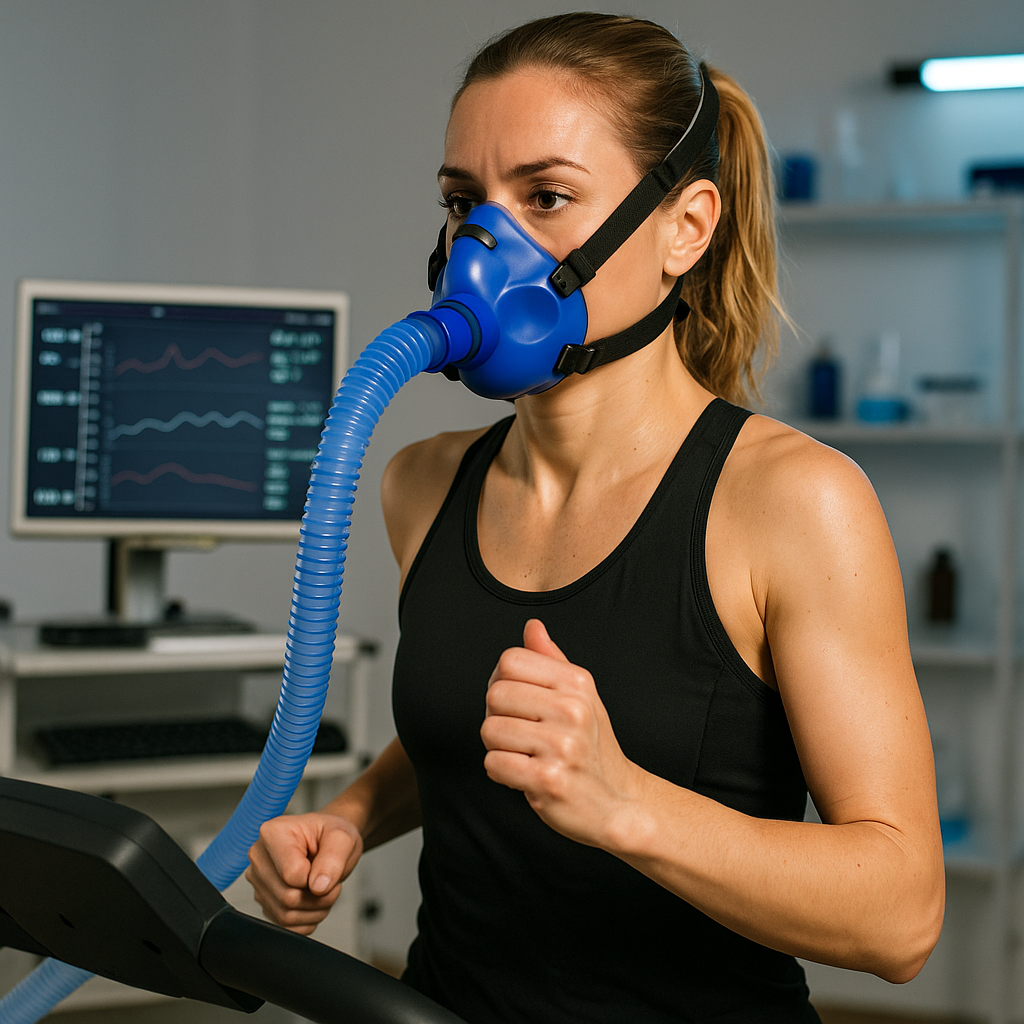
Deciphering VO2 Max: The Importance and Benefits
What is VO2 Max?
VO2 max, or maximal oxygen uptake, quantifies the maximum amount of oxygen your body can utilize during intense exercise. It serves as a critical measure of cardiorespiratory fitness—the efficiency with which your heart, lungs, and muscles work together to deliver and utilize oxygen. This metric is expressed in milliliters of oxygen per kilogram of body weight per minute (mL/kg/min) and reflects your body’s upper limit for aerobic metabolism.
VO2 max has recently transitioned from a laboratory-specific test for elite athletes to a standard feature in modern fitness trackers, making it more accessible. However, while tracking devices can provide raw data, they often lack the necessary context to transform numbers into meaningful health insights.
Why VO2 Max Matters Beyond Just Fitness
Higher VO2 max levels are associated with numerous health benefits:
- Improved Cardiovascular Health: Research consistently links elevated VO2 max levels to a decreased risk of developing heart disease.
- Metabolic Efficiency: Enhanced oxygen utilization contributes to better metabolic health and greater endurance, particularly during exercise.
- Longevity: A robust VO2 max is correlated with lower all-cause mortality rates, making it a substantial predictor of long-term health.
These benefits extend beyond athletic performance, impacting daily activities and recovery. By understanding your VO2 max and its implications, you gain valuable insight into your functional fitness.
What Determines a Good VO2 Max?
Factors Influencing VO2 Max
When analyzing VO2 max scores, consider the following factors:
- Age: VO2 max naturally declines with aging, even among healthy individuals.
- Sex: Men typically have higher VO2 max values than women due to physiological variances such as body composition and hemoglobin levels.
- Genetics: Some individuals are predisposed to higher VO2 max readings, influencing their baseline levels and responses to training.
- Health Conditions: Existing health issues can intertwine with cardiorespiratory fitness and affect overall VO2 max readings.
Average VO2 Max Values by Age and Sex
Men
| Age Group | 5th Percentile | 10th Percentile | 25th Percentile | 50th Percentile | 75th Percentile | 90th Percentile | 95th Percentile |
|---|---|---|---|---|---|---|---|
| 20-29 | 29.0 | 32.1 | 40.1 | 48.0 | 55.2 | 61.8 | 66.3 |
| 30-39 | 27.2 | 30.2 | 35.9 | 42.4 | 49.2 | 56.5 | 59.8 |
| 40-49 | 24.2 | 26.8 | 31.9 | 37.8 | 45.0 | 52.1 | 55.6 |
| 50-59 | 20.9 | 22.8 | 27.1 | 32.6 | 39.7 | 45.6 | 50.7 |
| 60-69 | 17.4 | 19.8 | 23.7 | 28.2 | 34.5 | 40.3 | 43.0 |
| 70-79 | 16.3 | 17.1 | 20.4 | 24.4 | 30.4 | 36.6 | 39.7 |
Women
| Age Group | 5th Percentile | 10th Percentile | 25th Percentile | 50th Percentile | 75th Percentile | 90th Percentile | 95th Percentile |
|---|---|---|---|---|---|---|---|
| 20-29 | 21.7 | 23.9 | 30.5 | 37.6 | 44.7 | 51.3 | 56.0 |
| 30-39 | 19.0 | 20.9 | 25.3 | 30.2 | 36.1 | 41.4 | 45.8 |
| 40-49 | 17.0 | 18.8 | 22.1 | 26.7 | 32.4 | 38.4 | 41.7 |
| 50-59 | 16.0 | 17.3 | 19.9 | 23.4 | 27.6 | 32.0 | 35.9 |
| 60-69 | 13.4 | 14.6 | 17.2 | 20.0 | 23.8 | 27.0 | 29.4 |
| 70-79 | 13.1 | 13.6 | 15.6 | 18.3 | 20.8 | 23.1 | 24.1 |
Strategies for Improving Your VO2 Max
Enhancing your VO2 max is achievable with dedicated training efforts. Key strategies include:
- High-Intensity Interval Training (HIIT): Incorporating short bursts of intense activity interspersed with recovery periods can help elevate your VO2 max by enhancing your oxygen uptake.
- Aerobic Base Training (Zone 2 Training): Sustained moderate-intensity exercises work towards building metabolic efficiency and improving endurance.
- Progressive Overload: Gradually increasing the intensity or duration of your workouts ensures a consistent challenge to your cardiovascular system, which is crucial for improvement.
- Consistency: Regular training is vital. A systematic approach to workouts, typically over four to twelve weeks, often leads to noticeable improvements in VO2 max, especially for novices.
The Bigger Picture: Why Context Matters
While VO2 max is a valuable metric, it should not be viewed in isolation. Understanding the interconnectedness of various health markers is key to deriving meaningful insights. VO2 max alone cannot explain:
- Why your fitness might be improving or declining.
- How other health markers, such as metabolic health or inflammatory responses, impact overall performance.
- The effects of body composition on oxygen efficiency.
By interpreting your VO2 max alongside other critical parameters—such as metabolic health, body composition, recovery status, and sleep quality—you gain a comprehensive view of your overall health. Without this context, VO2 max could merely present as a numerical figure with less significance.
Conclusion
Understanding VO2 max provides critical insight into your overall health and longevity. By contextualizing this metric within a comprehensive health assessment, you empower yourself to make informed lifestyle changes that promote cardiovascular fitness and ultimately enhance longevity. Tracking improvements in VO2 max alongside other health markers ensures that you remain proactive about your fitness and well-being.