
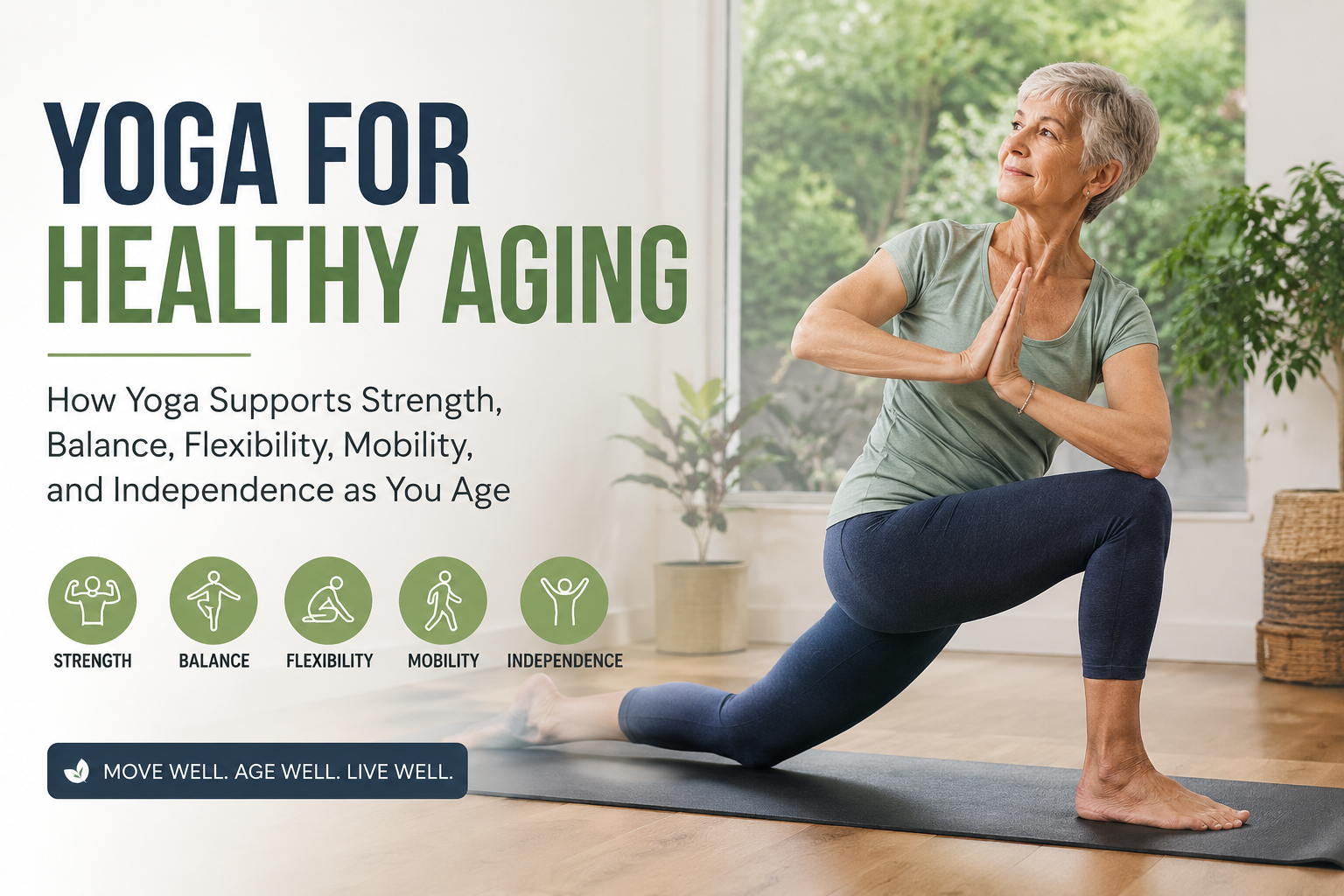
The Rise of Yoga as a Tool for Healthy Aging
Yoga, a practice originating from India over two thousand years ago, has evolved into a globally recognized method for enhancing both mental and physical well-being. Rooted in the Sanskrit term "yuj"—meaning to unite—yoga harmonizes body and mind through a series of postures, breathing techniques, and meditation practices. Today, it is accessible to millions seeking not only relaxation but also an overall improvement in health as they age.
Scientific Insights into Yoga’s Benefits
In recent years, yoga has attracted the attention of medical and scientific communities, leading to substantial research on its effects. Studies indicate that regular yoga practice can significantly reduce stress and anxiety, improve strength and flexibility, and even enhance cognitive functions. Here are some key findings:
- Stress and Anxiety Reduction: Research demonstrates that engaging in yoga can lower levels of stress hormones, leading to improved emotional balance. A systematic review found a positive correlation between yoga practice and reduced depression and anxiety symptoms, especially in clinical populations.
- Physical Health Improvements: Numerous studies have shown that yoga enhances physical strength and flexibility, crucial for maintaining mobility in older adults. Research indicates that yoga can be as effective as traditional physical therapy in alleviating chronic pain, particularly low back pain.
- Cognitive Benefits: Emerging evidence suggests that yoga may support brain health by bolstering memory and potentially slowing cognitive decline. This is particularly relevant in the context of aging populations.
Clinical Studies Highlighting Yoga’s Efficacy
A recent large-scale, randomized trial presented at the American Society of Clinical Oncology unveiled promising results regarding the impact of yoga on cancer survivors. This study reported that a structured, gentle yoga program showed significant improvements in mood, anxiety levels, and fatigue when paired with standard care. These findings underscore yoga’s role in holistic health strategies, serving both emotional and physical recovery.
The WHO’s Perspective on Yoga and Aging
In alignment with the United Nations’ initiatives for promoting healthy aging, the World Health Organization (WHO) has endorsed the integration of yoga as a viable practice contributing to longevity and well-being. The 12th International Day of Yoga emphasized "yoga for healthy ageing," spotlighting its multifunctional benefits as people grow older.
Yoga enhances:
- Balance, Flexibility, and Strength: Essential qualities for remaining active and independent in older age.
- Mental Well-Being: The practice fosters resilience, reduces depression, and improves life quality.
Accessibility of Yoga for All
One of yoga's most significant advantages is its adaptability to individuals of varying ages, abilities, and health conditions. Customized yoga practices ensure that everyone—from the elderly and physically challenged to beginners—can reap the benefits.
For instance, strength- and mobility-adapted yoga enables those with physical limitations to practice safely. A randomized trial involving low-income individuals with chronic back pain showed that a simple 12-week yoga regimen was as effective as conventional physical therapy, and the benefits persisted even a year later.
Yoga as Self-Care
In light of the global mental health treatment gap, which affects those without access to specialist care, yoga stands out as a practical, low-cost, and scalable self-care option. Its innate flexibility allows individuals to incorporate yoga into their daily routines easily, promoting both mental and physical health with minimal equipment or space.
The UN's Decade of Healthy Aging encourages individuals of all ages to explore yoga as a means to enhance dignity, independence, and wellness. This initiative is exemplified by large-scale public yoga events, aimed at fostering a sense of community while promoting the practice's health benefits.
Conclusion
As the world’s population ages, the importance of accessible practices like yoga cannot be overstated. With its proven benefits in promoting mental well-being and physical health, yoga provides a potent tool not just for enhancing quality of life but also for supporting healthy aging across the globe.
Encouraging participation in yoga is crucial, as it holds the potential to improve the health and happiness of individuals worldwide, facilitating a lifetime of wellness.